ATM rules change from April 1
ATM rules update: HDFC, PNB and Bandhan Bank revise withdrawal limits and charges from April 1
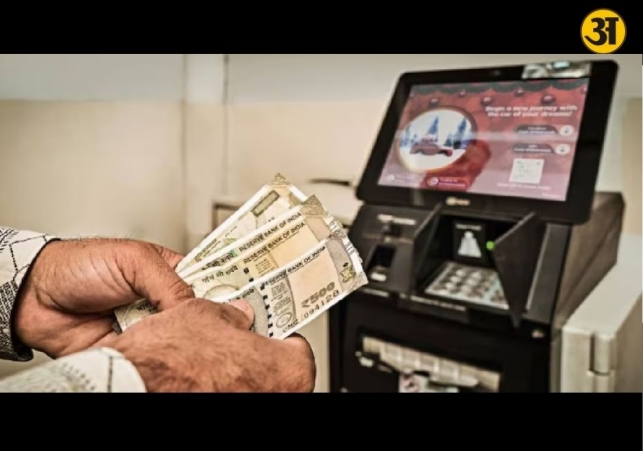
From April 1, 2026, several banks in India are introducing new rules for ATM usage. These changes will affect how often you can withdraw cash for free, how much money you can withdraw daily, and how much you may have to pay after crossing the limit.
Major banks like HDFC Bank, Punjab National Bank, and Bandhan Bank have updated their policies. These updates are part of a broader effort to streamline ATM usage and align charges with rising operational costs.
For customers, this means it is important to understand the new rules to avoid unnecessary charges and manage transactions better.
Changes in withdrawal limits and free transactions
One of the most noticeable changes is in the number of free ATM transactions allowed each month. Customers will now have a limited number of free withdrawals and other services like balance checks.
At Bandhan Bank ATMs, customers will be allowed five free financial transactions per month. However, when using ATMs of other banks, the limit will be lower. In metro cities, only three free transactions will be allowed, while in non-metro areas, customers can make up to five free transactions.
A key change is that both financial and non-financial transactions will now be counted together. This means activities like checking your balance or requesting a mini statement will also reduce your free transaction count. Earlier, such non-financial services were often excluded from the limit.
HDFC Bank has also introduced important changes related to UPI-based ATM withdrawals. Now, cash withdrawals made using UPI at ATMs will be counted within the monthly free transaction limit. Previously, these were treated separately.
Customers using HDFC Bank ATMs of other banks will get five free transactions per month. In metro cities, the free limit is three transactions, and in non-metro cities, it is five.
Another interesting rule introduced by HDFC Bank is a time-based transaction system. Any ATM transaction made after 7:30 pm will be counted as a transaction for the next day. On the last day of the month, such transactions will be added to the next month’s quota. This change may affect customers who frequently withdraw cash late in the evening.
Meanwhile, Punjab National Bank has reduced the daily withdrawal limit for certain debit cards. Earlier, some cards allowed withdrawals up to ₹1 lakh per day. From April 1, the limit for select cards has been reduced to ₹50,000. Depending on the type of debit card, the limit may now range between ₹50,000 and ₹75,000.
This reduction means customers may need to plan their withdrawals more carefully, especially if they require large amounts of cash.
ALSO READ: Israel suspends battalion after CNN journalist assaulted in West Bank, probe ordered
Higher charges and penalties explained
Once customers exceed the free transaction limit, charges will apply. These charges have also been revised upward.
For financial transactions such as cash withdrawals, customers will now have to pay ₹23 per transaction after the free limit is crossed. This is slightly higher than the earlier charge of ₹21. Taxes will be charged separately.
For non-financial transactions, such as balance enquiries or mini statements, the charge will be ₹10 per transaction after the free limit.
Another important rule relates to failed transactions. If a customer tries to withdraw money but the account has insufficient balance, a penalty of ₹25 will be charged. This is meant to discourage repeated failed attempts and reduce unnecessary load on ATM systems.
Apart from individual bank changes, there has also been a system-wide revision in ATM charges. Financial transaction charges have been adjusted to ₹19, while non-financial transaction charges are set at ₹7 under certain conditions. These changes reflect an overall increase in ATM service costs across the banking sector.
These updates highlight the growing importance of digital banking. Banks are encouraging customers to use online and mobile banking services instead of relying heavily on ATMs. Digital transactions are often faster, cheaper, and more convenient.
For customers, the best way to avoid extra charges is to plan ATM usage wisely. Limiting unnecessary balance checks, combining withdrawals, and using home bank ATMs when possible can help stay within the free transaction limit.
In conclusion, the new ATM rules coming into effect from April 1, 2026, will change how customers use banking services. With reduced free limits, revised withdrawal caps, and higher charges, it is important to stay informed.
While these changes may seem restrictive at first, they are part of a broader shift towards more efficient and digital banking systems. By understanding the new rules and adjusting habits accordingly, customers can avoid extra costs and manage their finances more effectively.
Related News